🧢 Beautiful ✨ Detailed πŸ’ Adorable

Spooky Spider Coaster Amigurumi Pattern

Spooky Spider Coaster Amigurumi Pattern
4.0β˜…Rating
2-3 HoursTime Needed
1.9KMade This
βœ‚οΈ

Beginner Friendly Level

Perfect for those just starting their crocheting journey, with clear instructions and simple techniques

⏱️

Quick Craft

Fits nicely into a free afternoon β€” 2 to 5 hours of focused, enjoyable crocheting.

🏑

Cozy Accent

A warm touch for your space that transforms ordinary corners into inviting nooks filled with handmade charm.

About This Spooky Spider Coaster Amigurumi Pattern

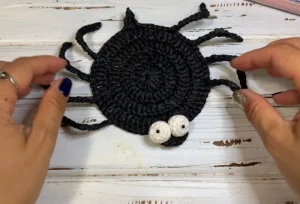
Spooky Spider Coaster Amigurumi Pattern crochet pattern - detailed view

Perfect for adding a playful, handmade touch to your Halloween table setting, or as a quirky housewarming gift for your gothic-loving friends who appreciate unique home accessories.

Why You'll Love This Spooky Spider Coaster Amigurumi Pattern

I fell head over heels for this project because it's such a refreshing break from traditional yarn. Working with raffia gives the finished coaster this amazing, stiff structure that actually stays flat under a mug. Plus, shaping those bendy legs is incredibly satisfying, and you can finish a whole set in just one weekend!

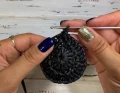
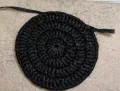
Spooky Spider Coaster Amigurumi Pattern step 1 Spooky Spider Coaster Amigurumi Pattern step 2 Spooky Spider Coaster Amigurumi Pattern step 3 Spooky Spider Coaster Amigurumi Pattern step 4

Switch Things Up

I still remember the first time I tried crocheting with raffia yarn. Honestly, I was a little intimidated! It felt so different from the soft acrylics and cottons I was used to. But let me tell you, once you get the hang of it, it is absolute magic for home decor. This spider coaster is the perfect project to get your feet wet with raffia.

My biggest tip for this project is to not be afraid of using your iron! When you finish the main body circle, it might look a little wavy or stubborn. Don't panic! A quick steam under a damp cloth completely transforms it, flattening it out and making it look incredibly professional. It's like blocking magic in seconds.

If you want to play around with the look, try using a deep forest green or a rich plum color for the body instead of classic black. It gives the spider a gorgeous fantasy vibe. You can also swap the red embroidery on the back for metallic gold thread to make your spider look extra fancy. I can't wait to see how yours turns out!

Common Mistakes & How to Fix Them

βœ— Forgetting to steam the raffia body with a damp cloth will leave the coaster curled up and unstable for holding cups.βœ— Placing the stitch markers in the wrong loops on Round 4 will result in unevenly spaced legs and an off-center head.βœ— Crocheting the legs too tightly can cause them to curl up excessively, making the spider look much smaller than intended.βœ— Overstuffing the tiny eyes will make them bulge too much and make it difficult to sew them flat against the spider's head.

Spooky Spider Coaster Amigurumi Pattern

Spook up your coffee table with a touch of handmade charm! This delightful spider coaster is the perfect blend of gothic whimsy and practical crafting. Working with textured raffia gives it a wonderfully rustic feel, making it an absolute joy to stitch up for your autumn decor or Halloween parties. You'll love watching this little eight-legged friend come to life right under your hook!

Beginner Friendly 2-3 Hours

Materials Needed for Spooky Spider Coaster Amigurumi Pattern

β€” Main Fabric

  • 01
    Approximately one-third of a skein of black or dark brown raffia yarn for the main spider body and legs
  • 02
    A small amount of white or ivory medium weight cotton yarn for the base of the eyes
  • 03
    A few yards of thin red yarn or embroidery floss for the back details

β€” Tools Required

  • 01
    2.0 mm crochet hook for working the eyes
  • 02
    3.0 mm crochet hook for working the raffia body
  • 03
    Two small black beads (1.5mm to 2mm in diameter) for the pupils
  • 04
    Nine stitch markers to lay out the leg and head placement
  • 05
    Black sewing thread and a fine sewing needle
  • 06
    Thick tapestry needle for weaving in raffia ends
  • 07
    A small handful of polyester fiberfill stuffing
  • 08
    An iron and a clean, damp pressing cloth for blocking

Progress Tracker

0% Complete

β€” 1. Spider Body Base :

Round 1 :

ch 3. Work 15 dc in the 3rd ch from hook, sl st to first stitch to join. (15)

Round 2 :

Work 1 inc in each of the 15 stitches around, sl st to join, work 1 ecs. (30)

Round 3 :

Repeat (1 dc, 1 inc) 15 times around, sl st to join, work 1 ecs. (45)

Round 4 :

Repeat (2 dc, 1 inc) 15 times around, sl st to join. Do not cut the yarn. (60)

Info :

Steam the completed flat circle with an iron over a damp cloth, then shape it with your hands. The raffia yarn takes shape beautifully!

β€” 2. Legs and Head Trim :

Info :

Before beginning the trim, place stitch markers into the 8th, 12th, 16th, 20th, 30th, 40th, 44th, 48th, and 52nd loops of Round 4.

Step 1 :

Work 8 sl st along the edge of the circle.

Leg 1 :

ch 12, starting in the 2nd ch from hook work 6 sc, then work 3 sc in the next ch, work 4 sc down the remaining chains, work 1 sl st into the 8th marked loop of the base.

Step 3 :

Work 3 sl st along the edge of the circle.

Leg 2 :

ch 12, starting in the 2nd ch from hook work 6 sc, then work 3 sc in the next ch, work 4 sc down the remaining chains, work 1 sl st into the 12th marked loop of the base.

Step 5 :

Work 3 sl st along the edge of the circle.

Leg 3 :

ch 12, starting in the 2nd ch from hook work 6 sc, then work 3 sc in the next ch, work 4 sc down the remaining chains, work 1 sl st into the 16th marked loop of the base.

Step 7 :

Work 3 sl st along the edge of the circle.

Leg 4 :

ch 12, starting in the 2nd ch from hook work 6 sc, then work 3 sc in the next ch, work 4 sc down the remaining chains, work 1 sl st into the 20th marked loop of the base.

Step 9 :

Work 7 sl st along the edge of the circle.

Head :

Skip 2 loops, work 8 dc into the 30th marked loop, skip 2 loops.

Step 11 :

Work 8 sl st along the edge of the circle.

Leg 5 :

ch 12, starting in the 2nd ch from hook work 6 sc, then work 3 sc in the next ch, work 4 sc down the remaining chains, work 1 sl st into the 40th marked loop of the base.

Step 13 :

Work 3 sl st along the edge of the circle.

Leg 6 :

ch 12, starting in the 2nd ch from hook work 6 sc, then work 3 sc in the next ch, work 4 sc down the remaining chains, work 1 sl st into the 44th marked loop of the base.

Step 15 :

Work 3 sl st along the edge of the circle.

Leg 7 :

ch 12, starting in the 2nd ch from hook work 6 sc, then work 3 sc in the next ch, work 4 sc down the remaining chains, work 1 sl st into the 48th marked loop of the base.

Step 17 :

Work 3 sl st along the edge of the circle.

Leg 8 :

ch 12, starting in the 2nd ch from hook work 6 sc, then work 3 sc in the next ch, work 4 sc down the remaining chains, work 1 sl st into the 52nd marked loop of the base.

Tail :

Work 7 sl st along the edge, then work 3 dc together in the final stitch to form the tail. Cut the yarn and weave in the ends.

β€” 3. Eyes (Make 2) :

Round 1 :

Using white or ivory yarn, ch 2, then work 6 sc into the 2nd ch from your hook. (6)

Round 2 :

Work 1 inc in each of the 6 stitches around. Pull the starting yarn tail to the front side to hide it. (12)

Round 3 :

Work 12 sc around. (12)

Round 4 :

Work 12 sc around. (12)

Info :

Firmly stuff the small eye piece with a bit of fiberfill before closing.

Round 5 :

Work 6 dec around. (6)

Info :

Pull the remaining opening closed, fasten off, and weave in all yarn ends.

Assembly Instructions

  • Lay the steamed spider body flat on your workspace with the legs arranged symmetrically on both sides.
  • Using a sewing needle and black thread, sew the two white eye globes together side-by-side.
  • Stitch the small black beads onto the center of each white eye to create the pupils.
  • Securely sew the joined eyes to the front edge of the spider's body, right next to the double crochet head section.
  • Using red yarn, embroider a few decorative 'V' shaped stitches onto the second and third rounds of the body to represent the spider's markings.
  • Tie off all yarn tails securely on the underside of the coaster and weave in the ends to keep them hidden.

Important Notes

  • πŸ’‘Always flatten and straighten your raffia yarn before you start crocheting to ensure a smooth, even texture.
  • πŸ’‘To prevent unwanted gaps in your stitches, pull the working loop up to the level of your hook when working single crochets with raffia.
  • πŸ’‘Use a damp press cloth when steaming your raffia coaster; never touch the hot iron directly to the dry raffia fibers.
  • πŸ’‘Keep a close eye on your stitch markers during the trimming round, as accurate placement is key to getting the legs perfectly symmetrical.
  • πŸ’‘If you don't have raffia, you can substitute a sturdy cotton yarn held double, though the coaster will be slightly softer.

Bring a bit of cozy, handmade magic to your home this season! Whether you're setting down a hot mug of spiced cider or gifting a complete set to a fellow Halloween enthusiast, this little spider is sure to spark smiles. Keep your stitches snug, have fun shaping those wiggly legs, and enjoy every single stitch. Happy making! πŸ§Άβœ¨πŸ•·οΈ

You ask,

we answer.

FAQs

Can I use regular cotton or acrylic yarn instead of raffia for this pattern?

Yes, you can! However, raffia provides a unique stiffness that helps the coaster lay completely flat. If you switch to cotton or acrylic, I recommend using a smaller hook than usual or holding two strands together to keep the stitches dense and sturdy.

My spider's legs are curling up too much and won't lay flat. How do I fix this?

Raffia can be quite springy! The secret is steam blocking. Lay a damp cloth over the legs and gently press them with a hot iron. This relaxes the fibers and allows you to shape them perfectly flat with your fingers.

What is an elongated chain stitch (ECS) and how do I do it?

An elongated chain stitch is used here to match the height of the double crochet stitches. If you find it tricky, you can easily substitute a standard chain 3 at the start of your rounds instead!

How do I make sure the safety eyes or beads are secure for a coaster?

Since this is a coaster that might be washed or handled, sew the beads on very securely with strong nylon or polyester sewing thread, passing through the bead and the white eye fabric multiple times.