🧶 Beautiful ✨ Detailed 💝 Adorable

Puppy Dog Friend Amigurumi Pattern

Puppy Dog Friend Amigurumi Pattern
4.5★ Rating
3-4 Hours Time Needed
3.1K Made This
✂️

Beginner Friendly Level

Perfect for those just starting their sewing journey, with clear instructions and simple techniques

⏱️

Bite-Sized Project

Complete in under 2 hours—quick, fun, and perfect for a little creative escape.

🧸

Cute Companion

An adorable friend to cherish, handcrafted with love to bring comfort and joy for years to come.

About This Puppy Dog Friend Amigurumi Pattern

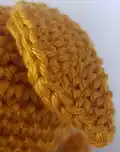
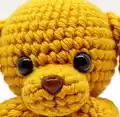
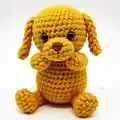
Puppy Dog Friend Amigurumi Pattern crochet pattern - detailed view of completed project

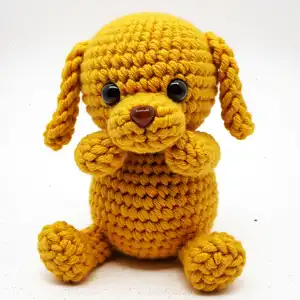
Standing at just 9cm tall, this pocket-sized pup is ideal for gifting, collecting, or keeping as your own crafting companion. The pattern includes helpful placement tips for eyes, nose, and all body parts to ensure your puppy has the perfect proportions and that signature huggable pose.

Why You'll Love This Puppy Dog Friend Amigurumi Pattern

I absolutely love how this pattern creates such an expressive and huggable character with relatively simple techniques! The way those little paws reach out makes every puppy feel like it's asking for affection, and there's something magical about watching the personality emerge as you assemble the pieces. I appreciate that the designer includes flexibility suggestions at the end, encouraging you to make this pattern your own by adjusting tail length, paw positioning, or even creating a standing version. It's these thoughtful touches that make crafting feel less like following instructions and more like bringing your own unique friend to life, stitch by loving stitch.

Puppy Dog Friend Amigurumi Pattern step 1 - construction progress Puppy Dog Friend Amigurumi Pattern step 2 - assembly progress Puppy Dog Friend Amigurumi Pattern step 3 - details and accessories Puppy Dog Friend Amigurumi Pattern step 4 - final assembly and finishing

Switch Things Up

I love how versatile this puppy pattern really is once you start playing with the possibilities! While the classic golden Labrador look is absolutely precious, I've found that changing colors can completely transform the character. Try a spotted pattern by switching colors mid-project for a dalmatian vibe, or use multiple shades of brown for a realistic mixed-breed look.

The paw positioning is where I get really creative. Instead of the standard hugging pose, I've made versions with the front paws positioned lower and less stuffed so they droop naturally at the sides, giving a more relaxed sitting puppy appearance. You could even attach them pointing downward for a standing puppy, though you'll want to reinforce the back paws and possibly add wire to the tail for stability.

Speaking of the tail, I've experimented with different lengths and thicknesses to match various dog breeds. A shorter, stubbier tail works wonderfully for a French Bulldog aesthetic, while a longer, slightly thicker tail with a curved wire inside creates that happy wagging look. I've even added a small white tip to the tail for breeds like Beagles or Border Collies.

The ears offer another fun customization opportunity. While the pattern creates lovely floppy ears, you could make them smaller and more upright by reducing the number of rows and positioning them higher on the head for breeds like Corgis or German Shepherds. I've also tried making one ear folded and one standing up for that playful, curious puppy expression that melts everyone's heart.

Common Mistakes & How to Fix Them

✗ Losing track of rounds when working in spirals—always use a stitch marker at the beginning or end of each round to maintain accurate stitch counts throughout your project ✗ Overstuffing the body which makes the puppy too round at the base and causes it to tip over instead of sitting neatly—stuff firmly but leave some give for better balance ✗ Placing safety eyes too far apart or at the wrong height relative to the muzzle—always pin the muzzle first and test eye placement before securing them permanently to ensure a sweet expression ✗ Sewing ears with the wrong side facing forward which affects the overall look—remember the seam should face forwards and ears should sit between rows six and eight about halfway back on the head

Puppy Dog Friend Amigurumi Pattern

Create your own adorable golden puppy companion with this sweet amigurumi pattern! This charming dog friend features outstretched paws ready for a hug, floppy ears, and an endearing expression that will melt your heart. Perfect for dog lovers and amigurumi enthusiasts alike, this pattern guides you through crafting a cute puppy that sits at approximately 9cm tall. With detailed instructions for the head, body, ears, tail, and paws, you'll bring this lovable canine to life stitch by stitch.

Beginner Friendly 3-4 Hours

Materials Needed for Puppy Dog Friend Amigurumi Pattern

— Main Fabric

  • 01
    1 ball of Catania yarn in gold (color 249 recommended) or any color of your choice for your puppy
  • 02
    Any worsted weight cotton or acrylic yarn in golden-yellow, tan, brown, or your preferred puppy color

— Tools Required

  • 01
    2.5mm crochet hook
  • 02
    Safety eyes (8mm or 9mm)
  • 03
    Safety nose (6mm or 7mm) or yarn for embroidering
  • 04
    Large-eye needle for sewing and finishing ends
  • 05
    Stuffing (polyester fiberfill)
  • 06
    Stitch markers
  • 07
    Scissors
  • 08
    Pins for placement before sewing

Progress Tracker

0% Complete

— Muzzle :

Info :

Make this first, you need it to help place the eyes when making the head

Row 1 :

7ch, 2dc into 2nd ch from hook, dc in next 4 dc, 5 dc in last ch, working in the back loops of the chain, dc in each of the next 4 loops, 3dc in last loop (which is the back of the first chain you used, where you put the 2dc). You now have 18 dc around an oval. Slip stitch into the first dc of the row to join the ring.

Row 2 :

2dc in the same place as the joining stitch, dc in each of next 6 dc, 2dc in next dc, dc in next dc, 2dc in next dc, dc in each of next 6 dc, 2dc in next dc, dc in next dc, join as before. (22 stitches)

Row 3 :

In the back loops of each stitch only, dc into each dc, join (22)

Row 4-5 :

dc into each dc (22)

Info :

Pull thread through, leaving a long end to sew the muzzle onto the head. Put the nose, if you are using one, in the middle of one long side just above the edge formed by working into the back loops only. Stuff - you may need to add stuffing once you have most of this sewn to the head.

— Head :

Row 1 :

6 dc into a magic ring

Row 2 :

2dc into each dc (12 stitches)

Row 3 :

(1dc, 2dc in next dc) x 6 (18)

Row 4 :

(2 dc, 2dc in next dc) x 6 (24)

Row 5 :

(3 dc, 2dc in next dc) x 6 (30)

Row 6 :

(4 dc, 2dc in next dc) x 6 (36)

Row 7 :

(5 dc, 2dc in next dc) x 6 (42)

Row 8 :

(6 dc, 2dc in next dc) x 6 (48)

Rows 9-15 :

1dc in each dc to end (48) - that's 6 rows without shaping

Row 16 :

(6 dc, dec) x 6 (42)

Row 17 :

(5 dc, dec) x 6 (36)

Row 18 :

(4 dc, dec) x 6 (30)

Row 19 :

(3 dc, dec) x 6 (24)

Row 20 :

(2 dc, dec) x 6 (18)

Info :

Place the muzzle so that it sits between row 12 and about row 18 and sew it in place. Put the safety eyes in just above and either side of it as shown, between rows 11 and 12 about 5 stitches apart. Stuff the head.

Row 21 :

(1 dc, dec) x 6 (12)

Row 22 :

(dec) x 6 (6)

Info :

Cut yarn, leaving a long tail for sewing to the body. No need to pull the stitches tight, but you can if you like.

— Ears :

Info :

Make two

Row 1 :

6 dc into a magic ring

Row 2 :

2dc into each dc (12 stitches)

Row 3 :

(1dc, 2dc in next dc) x 6 (18)

Row 4 :

(2 dc, 2dc in next dc) x 6 (24)

Row 5 :

(3 dc, 2dc in next dc) x 6 (30)

Row 6 :

(4 dc, 2dc in next dc) x 3 - do not finish the row (33)

Info :

Leave a tail to sew on, make another one. Fold in half, so that the side you have done the half-row more on sits against the other side, and stitch through the places you would put your hook to sew together, so that the tops of the row still show and the ear is quite flat. Stitch to the head between about the 6th and 8th rows, just about half way back with the seam facing forwards.

— Body :

Row 1 :

6 dc into a magic ring

Row 2 :

2dc into each dc (12)

Row 3 :

(1dc, 2dc in next dc) x 6 (18)

Row 4 :

(2 dc, 2dc in next dc) x 6 (24)

Row 5 :

(3 dc, 2dc in next dc) x 6 (30)

Row 6 :

(4 dc, 2dc in next dc) x 6 (36)

Rows 7-12 :

dc into each dc (36) - that's 6 more rows straight

Row 13 :

(4 dc, dec) x 6 (30)

Row 14 :

dc into each dc (30)

Row 15 :

(3 dc, dec) x 6 (24)

Row 16 :

dc into each dc (24)

Info :

Leave a long end, stuff and sew to the head around the 19th row (which also has 24 stitches, so you can sew stitch to stitch if you like). Don't overstuff, or the base will be too round for your puppy to sit neatly without falling over all the time.

— Tail :

Row 1 :

3 dc into a magic ring

Row 2 :

2dc in each dc (6 stitches)

Rows 3-11 :

dc into each dc (6 stitches) - that's 9 rows without shaping

Info :

Leave an end for sewing. Flatten the very end where you finished, and stitch just that row to the back of the dog, around row 6 of the body.

— Front Paws :

Info :

Make two

Row 1 :

6 dc into a magic ring

Row 2 :

(1dc, 2dc in next dc) x 3 (9)

Rows 3-6 :

dc in each dc to end (9) - that's 4 rows

Info :

Leave an end for sewing, make a second one, stitch to body either side of where the nose droops between about rows 12 and 15, 5 stitches visible between them.

— Back Paws :

Info :

Make two

Row 1 :

6 dc into a magic ring

Row 2 :

(1dc, 2dc in next dc) x 3 (9)

Rows 3-5 :

dc in each dc to end (9) - that's 3 rows

Info :

Leave an end for sewing, make a second one, stitch them to the body between rows 4 and 7 right at the bottom of the front with only one stitch or so showing between them.

Assembly Instructions

  • Sew the completed muzzle to the head between rows 12 and 18, ensuring it's centered before securing
  • Insert safety eyes just above and on either side of the muzzle between rows 11 and 12, spacing them about 5 stitches apart
  • Attach the nose to the center of the muzzle just above the edge created by the back loop only row
  • Fold each ear in half with the seam facing forward and sew to the head between rows 6 and 8, positioned about halfway back
  • Stuff the body firmly but not too tightly, then sew it to the head around row 19, matching the 24 stitches on both pieces
  • Attach front paws to either side of the body between rows 12 and 15 with 5 stitches visible between them for the hugging pose
  • Sew back paws to the bottom front of the body between rows 4 and 7 with only one stitch showing between them so the puppy can sit, then flatten and attach the tail end to the back around row 6

Important Notes

  • 💡Always use a stitch marker to track the beginning or end of each round when working in spirals to maintain accurate stitch counts
  • 💡The pattern is written in UK crochet terminology where dc means double crochet (US single crochet)
  • 💡Pin the muzzle in place first before sewing to ensure correct positioning and a symmetrical expression
  • 💡Don't overstuff the body or the puppy will be too round at the base and won't sit properly without tipping over
  • 💡Test the placement of all parts by pinning them first, especially the paws and tail, to achieve the desired pose
  • 💡You may need to add more stuffing to the muzzle after sewing most of it to the head for the best shape

This charming Puppy Dog Friend pattern brings together simple amigurumi techniques and thoughtful design to create an absolutely huggable companion! With outstretched paws ready for cuddles and a sweet golden face, this little dog captures the pure joy and loyalty that makes puppies so beloved. The pattern encourages creativity with suggestions for customization, allowing you to adjust proportions and poses to make your puppy truly one-of-a-kind. Whether you're crafting for yourself or as a heartfelt gift, this adorable pup is sure to bring smiles and warmth wherever it goes. 🐶 Happy crocheting! 🧶✨
You ask,

we answer.

FAQs

What does the UK terminology mean for this pattern?

This pattern is written in UK crochet terms, which means 'dc' (double crochet) is the same as US 'sc' (single crochet). If you're used to US terminology, simply substitute single crochet whenever you see double crochet in the instructions.

Can I make this puppy in different colors?

Absolutely! While the pattern suggests gold (like a Labrador Retriever), you can use any color you like. Try brown for a chocolate lab, cream for a golden retriever, black for a black lab, or even fun colors for a whimsical toy puppy.

Why won't my puppy sit properly?

The most common reason is overstuffing the body, which makes the base too round. Stuff firmly enough to maintain shape but leave some give so the bottom can flatten slightly. Also ensure the back paws are positioned correctly at the very bottom front of the body.

Can I make the puppy stand instead of sit?

Yes! The pattern suggests positioning the back paws at the bottom of the body for standing. You can also make the tail stiffer by inserting a pipe cleaner or wire, adjusting its length, and sewing it securely to act as a third balance point.

Do I have to use safety eyes and nose?

No, you can embroider the eyes and nose using yarn instead. Use black or dark brown yarn for eyes and dark brown or pink for the nose. This is especially recommended if making the puppy for young children.

How do I get the ears to look right?

After completing row 6 (partial row), fold each ear in half and sew through the stitches so the tops still show and the ear lies flat. The key is having the seam face forward when you attach them to the head between rows 6 and 8.