๐Ÿงถ Beautiful โœจ Detailed ๐Ÿ’ Adorable

Chic Corded Bucket Bag Amigurumi Pattern

Chic Corded Bucket Bag Amigurumi Pattern
4.0โ˜…Rating
5-8 HoursTime Needed
3.0KMade This
โœ‚๏ธ

Intermediate Level

Ideal for those with basic crocheting experience, featuring slightly more advanced stitches and techniques to expand your skills.

โฑ๏ธ

Weekend Treat

Takes 5-7 hours, making it an enjoyable project to finish over a couple of days.

โœจ

Stylish Touch

An elegant detail to elevate any look, combining traditional techniques with contemporary design sensibilities.

About This Chic Corded Bucket Bag Amigurumi Pattern

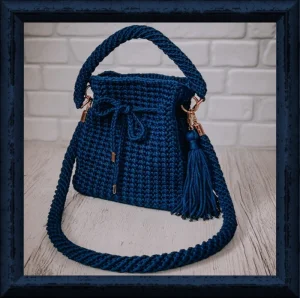
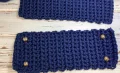
Chic Corded Bucket Bag Amigurumi Pattern crochet pattern - detailed view

Whether you're heading to the farmer's market or out for brunch, this handmade accessory elevates any outfit. It's the kind of project that looks store-bought but carries the heart of a maker.

Why You'll Love This Chic Corded Bucket Bag Amigurumi Pattern

Iโ€™m obsessed with how the cord creates such a crisp definition! Usually, bags can be floppy, but this design holds its shape beautifully. Plus, adding the hardware and tassel makes the whole process feel like professional bag-making rather than just a simple crochet project.

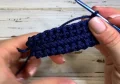
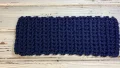
Chic Corded Bucket Bag Amigurumi Pattern step 1 Chic Corded Bucket Bag Amigurumi Pattern step 2 Chic Corded Bucket Bag Amigurumi Pattern step 3 Chic Corded Bucket Bag Amigurumi Pattern step 4

Switch Things Up

There is something so satisfying about working with cord. Itโ€™s a completely different experience than soft wool or cotton yarnโ€”itโ€™s tactile, sturdy, and gives you that instant gratification because the structure is there from the very first row. I remember the first time I tried making a bag like this; I was so nervous about the hardware! But honestly, once you have that screwdriver in hand and you see those metal legs and D-rings snap into place, it feels less like crafting and more like designing.

One thing Iโ€™ve learned the hard way: always keep your lighter handy if youโ€™re using polyester cord. Those ends love to fray the second you cut them! A quick singe not only stops the mess but actually helps lock your ends when you weave them in. Itโ€™s these little industrial touches that make the bag last for years. I hope you find the process as therapeutic as I doโ€”thereโ€™s just no beating that feeling of carrying a bag you built from a single spool of cord.

Common Mistakes & How to Fix Them

โœ— If you don't pull the working loop up to the level of your hook when making sc, you'll end up with small holes in the base fabric.โœ— The 2-meter tail for closing rounds is crucial; if you cut it too short, you won't be able to finish the invisible joins for the walls.โœ— Missing the jumper or third loop when starting the walls will make the transition from the base look weak and floppy instead of structured.โœ— When working the handle, it's easy to lose track of the left leg of the stitchโ€”if you miss one, the spiral shape will look uneven.

Chic Corded Bucket Bag Amigurumi Pattern

This bag is the perfect blend of practical and stylish! I love how the sturdy cord gives it such a professional, structured look. You're going to enjoy seeing those textured walls grow, and the drawstring closure adds that classic pouch charm we all love. It's a satisfying project that results in a high-end accessory you'll actually use every day.

Intermediate 5-8 Hours

Materials Needed for Chic Corded Bucket Bag Amigurumi Pattern

โ€” Main Fabric

  • 01
    Approximately 330 yards (300 meters) of 3mm cord. This can be cotton, polyester, or t-shirt yarn. The sample uses a deep navy blue polyester cord.

โ€” Tools Required

  • 01
    4mm crochet hook
  • 02
    Two D-rings (semi-rings)
  • 03
    One snap hook for the tassel
  • 04
    Two handle holders
  • 05
    Two snap hook rings for the shoulder strap
  • 06
    Two metal end-tips for the drawstring
  • 07
    Four metal bag feet (legs)
  • 08
    Lighter for sealing cord ends
  • 09
    Sharp scissors
  • 10
    Four stitch markers
  • 11
    Small Phillips head screwdriver

Progress Tracker

0% Complete

โ€” 1. Rectangular Base (Make 2) :

Info :

When working these single crochet stitches, pull your working loop up to the height of the hook before finishing the stitch to ensure a dense fabric without gaps.

Row 1 :

ch 11. Starting in the 2nd ch from the hook, work 10 sc across. ch 1, turn (10)

Row 2-24 :

10 sc across. ch 1, turn (10)

Row 25 :

10 sc across. Fasten off and weave in ends. Use a lighter to seal the tips if using polyester cord (10)

Note :

Repeat the steps above to create a second identical base piece.

โ€” 2. Joining the Base :

Info :

Position the four metal feet on one of your base pieces. Measure two stitches and two rows inward from each corner. Secure them firmly with your screwdriver.

Round 1 :

Hold both base pieces together with wrong sides touching. Insert hook 4 rows from the left corner on a long side. Leaving a 2-meter tail, ch 1. Work 19 sc along the edge, 3 sc in the corner, 8 sc along the short side, 3 sc in the corner, 23 sc along the long side, 3 sc in the corner, 8 sc along the short side, 3 sc in the corner, and 4 sc to finish the round. Join with an invisible sl st using the long tail (74)

โ€” 3. Bag Walls :

Info :

For Round 1, work only into the back loop and the jumper (the horizontal bar behind the stitch) to create a sharp edge for the base.

Round 1 :

ch 1. sc, inc, 11 sc, inc, 5 sc, inc, sc, inc, 8 sc, inc, sc, inc, 5 sc, inc, 11 sc, inc, 5 sc, inc, sc, inc, 8 sc, inc, sc, inc, 3 sc. Join invisibly (86)

Round 2 :

ch 1. [dec, ch 1] repeat this sequence until you reach the end of the round. Skip the final sc of the previous round and join invisibly (85 loops)

Round 3-26 :

Repeat the pattern from Round 2, working your hook under the loops of the previous row. ch 1, [dec, ch 1] across. Join invisibly at the end of every round (85 loops)

โ€” 4. Finishing the Body :

Round 1 :

Work 1 sl st into every stitch around the top edge to create a clean trim. Fasten off, hide the ends inside, and seal with a lighter.

โ€” 5. Drawstring I-Cord :

Row 1 :

ch 2. Pull up a loop in the 2nd ch from hook (2 loops on hook).

Row 2 :

Carefully remove the hook from the first loop, holding it with your fingers. Yarn over and pull through the remaining loop. Re-insert hook into the held loop, yarn over, and pull through. Repeat this process until the cord measures 39 inches (1 meter).

Finishing :

sl st through both loops to close. Attach the metal end-tips to both ends of the cord and tighten the small screws.

โ€” 6. Hand Handle :

Row 1 :

Work 3 sc directly around one D-ring. ch 1, turn (3)

Row 2 :

Work 3 sc into the blo only, then rotate and work 3 sc into the flo only. This creates a circular base of 6 stitches.

Row 3-End :

Work 6 sc in a continuous spiral, but insert your hook only into the left leg of the sc from the previous row. Continue until the handle is 16 inches (40 cm) long.

Finishing :

Work 3 sc through the second D-ring to attach it. Fasten off and secure the ends.

โ€” 7. Shoulder Strap :

Round 1 :

6 sc in mr. Do not join, work in a spiral (6)

Round 2 :

6 sc around (6)

Row 3-End :

Work 6 sc in a spiral, inserting the hook only into the left leg of the previous row's stitches. Continue until the strap reaches 39 inches (1 meter).

Finishing :

dec 3 times, then sl st to close. Fasten off and seal the ends.

Assembly Instructions

  • Attach the four metal feet to one of the base rectangles, spacing them two stitches and two rows from each corner.
  • Layer the two base pieces with wrong sides together and join them using sc rounds to create a thick, reinforced bottom.
  • Thread the finished I-cord through the sixth row from the top, weaving it in and out every 4-5 stitches.
  • Secure the D-rings to the top sides of the bag using the snap hook rings to provide attachment points for the straps.
  • Clip the tassel onto one of the side rings to add a decorative touch that complements the drawstring look.
  • Sew the fabric lining into the interior using a needle and matching thread with small, hidden stitches along the top edge.

Important Notes

  • ๐Ÿ’กIf you're using polyester cord, keep a lighter nearby to carefully melt the ends after cutting to stop them from unraveling.
  • ๐Ÿ’กUse stitch markers to identify the corner increases on the base; itโ€™s easy to lose your place once the rounds get larger.
  • ๐Ÿ’กWhen joining the two base pieces, make sure the legs or metal feet are facing outward on the bottom piece.
  • ๐Ÿ’กSteaming the base through a damp cloth will help it lay perfectly flat and give the bag a much better shape once finished.

I can't wait to see the colors you choose for your pouch! Whether you go for a classic navy like mine or something bright and bold, this bag is going to be a showstopper. Don't forget to take your time with the liningโ€”it's that final step that really makes it feel like a luxury item. Happy hooking, and enjoy your gorgeous new handmade accessory! You've earned all the compliments coming your way. ๐Ÿงถ โœจ

You ask,

we answer.

FAQs

What kind of cord works best for this bag?

I recommend a 3mm polyester or cotton cord. Polyester is great because you can singe the ends with a lighter to prevent fraying, giving it a very clean, professional finish.

Is the lining absolutely necessary?

While the crochet fabric is quite dense, a fabric lining prevents the bag from stretching over time and keeps smaller items from slipping through any tiny gaps in the stitches.

How do I make sure the handle is strong enough?

The left leg stitch technique creates a very dense, cord-like texture that is naturally low-stretch, but ensure your tension is firm to keep it sturdy.

What if I can't find the exact hardware listed?

As long as your D-rings and snap hooks fit the width of your straps (about 1 inch or 25mm), you can substitute with any style of metal hardware you prefer.